Choosing a lasting memorial for a loved one is a profoundly personal and significant decision. As families in Rock Hill consider the design and placement of a monument, headstone, or grave marker, it's essential to understand that local cemeteries operate under specific regulations. These rules are put in place to maintain the dignity, safety, and aesthetic harmony of the grounds, and navigating them is a crucial step in the memorialization process.
Understanding these guidelines ensures that your chosen memorial not only beautifully honors your loved one but also complies with the cemetery's standards, preventing potential delays or complications. While regulations can vary significantly from one cemetery to another, a general understanding of common requirements can help families prepare and make informed decisions.
Why Cemetery Regulations Are Essential
Cemetery regulations serve several vital purposes. Primarily, they help preserve the sanctity and respectful atmosphere of the burial ground. They also ensure the safety of visitors and groundskeeping staff by dictating monument stability and placement. Furthermore, rules regarding materials and dimensions contribute to the long-term maintenance and aesthetic consistency of the cemetery, often reflecting historical preservation efforts and community expectations.
These guidelines are not intended to hinder personal expression but rather to provide a framework within which individual tributes can flourish harmoniously. By upholding these standards, cemeteries can continue to be peaceful places of remembrance for generations to come.
Common Areas of Regulation for Monuments
When planning a memorial in a Rock Hill cemetery, families will likely encounter regulations covering several key aspects:
Monument Size and Dimensions
Perhaps the most common regulation pertains to the size of the monument. Cemeteries typically specify maximum height, width, and depth for headstones, upright monuments, and flat markers. These dimensions often depend on the specific section of the cemetery or the type of burial plot (e.g., single grave, double grave, cremation plot). Adhering to these measurements is critical, as oversized monuments may be rejected or require costly modifications.
Material Restrictions
Most cemeteries have preferences or requirements for monument materials. Granite and bronze are widely accepted due to their durability and timeless appearance. Some cemeteries may restrict certain types of stone, such as marble, due to its susceptibility to weathering and erosion over time. Understanding these material guidelines ensures the longevity of the memorial and its suitability for the cemetery environment.
Foundation Requirements and Installation
The stability of a monument is paramount for safety. Cemeteries usually require monuments to be placed on a concrete foundation, often specifying the foundation's dimensions and depth. Furthermore, many cemeteries have strict rules about who can install a monument. It is common for only approved, licensed monument companies or cemetery staff to perform installations to ensure proper techniques are used, minimizing the risk of tipping or settling.
Permits and Approval Process
Before any monument can be placed, a permit is almost always required from the cemetery administration. This process typically involves submitting a detailed drawing or design of the monument, along with specifications for its size, material, and inscription. The cemetery reviews these plans to ensure compliance with all local regulations before granting approval. It’s important to factor in this approval period when considering the timeline for a memorial’s placement.
Inscriptions and Adornments
While personalizing a monument is central to its purpose, cemeteries may have guidelines regarding inscriptions, imagery, and adornments. Some may have restrictions on certain language, symbols, or temporary decorations. Understanding what is permitted helps families design a meaningful tribute that is also respectful of the cemetery’s overall decorum.
Navigating the Specifics for Your Chosen Cemetery
The best way to navigate these regulations is to communicate directly with the cemetery administration where your loved one is interred. They can provide the most accurate and up-to-date rulebook or a summary of their specific requirements. Don't hesitate to ask detailed questions about any aspect of monument design, material, or installation that is unclear.
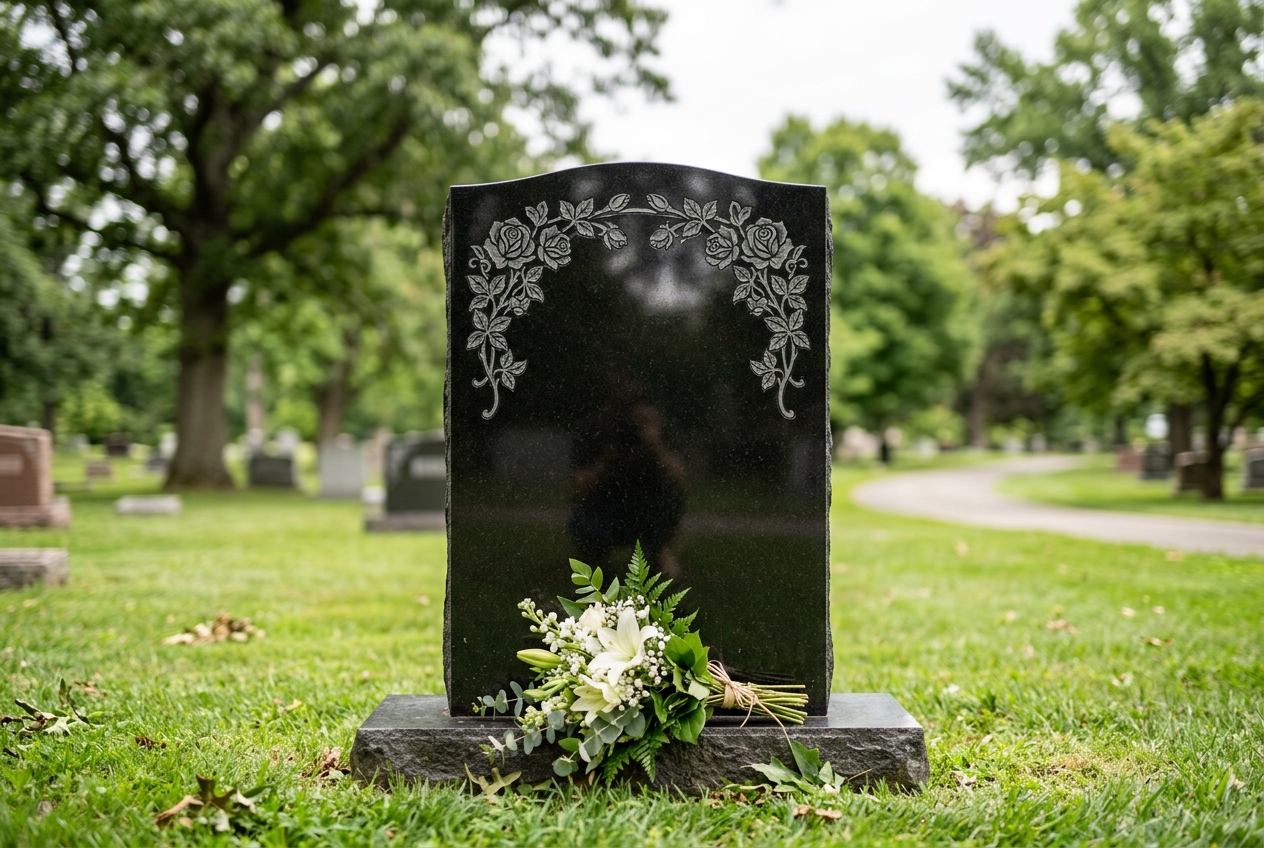
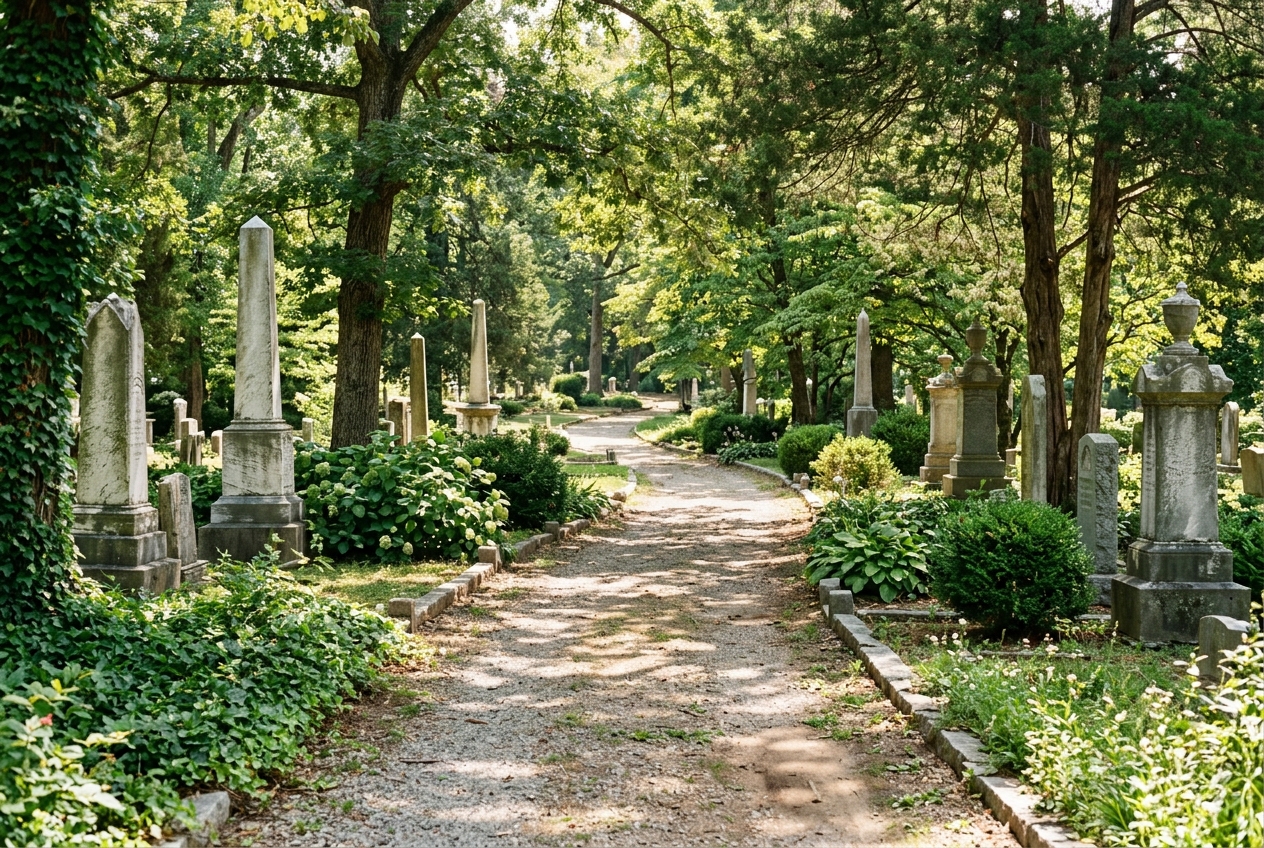
Another invaluable resource is an experienced monument provider like Gaulden Monuments. Our team regularly works with local cemeteries in Rock Hill and the surrounding areas. We are intimately familiar with the varying regulations and can offer expert guidance from the initial design concept through to the final installation. Our knowledge helps streamline the process, ensuring compliance and peace of mind for families during a challenging time.
How Gaulden Monuments Can Assist
At Gaulden Monuments, monuments Rock Hill SC gauldenmonuments.com our team understands the intricate details of cemetery regulations. We partner with families to create beautiful, lasting memorials that perfectly honor their loved ones while meticulously adhering to all necessary guidelines. From selecting the right size and material to obtaining the necessary permits and ensuring professional installation, we guide you through every step.
We believe that creating a memorial should be a comforting and seamless experience. Our expertise allows us to anticipate potential issues and proactively address them, making the journey as smooth as possible. We work closely with the cemetery administration on your behalf, ensuring all paperwork is correctly filed and approvals are secured efficiently.
Tips for Families
- Start Early: Begin researching regulations as soon as possible to avoid last-minute stress. Ask Questions: Never assume. Clarify any uncertainties with the cemetery or your monument provider. Work with Professionals: An experienced monument company, such as Gaulden Monuments, can be an invaluable partner in navigating complex rules and ensuring a smooth process. Document Everything: Keep records of communications and approved plans.
Creating a permanent memorial is an act of profound love and remembrance. By understanding and respecting the regulations of Rock Hill cemeteries, families can ensure their chosen tribute stands as a beautiful, enduring testament to a life well-lived, fitting perfectly within its sacred surroundings.